

The number one absolute best way to lose belly fat. Millions of people are trying to lose belly fat not just to look better or to fit into their clothes better but because belly fat is associated with all kinds of disease from blood pressure to diabetes to cardiovascular disease and stroke. But even though all those people are trying more than ever are having obesity and diabetes and belly fat so in this blog we’re gonna teach you the only way that you can lose belly fat and keep it off for good.
It may not be as hard as you think, in fact it may even be the opposite of what you think. Most of this is from Dr. Ekberg, he is a holistic doctor and a former Olympic decathlete. The social media icons link to Dr Ekberg’s sites, so feel free to go and explore and learn more.
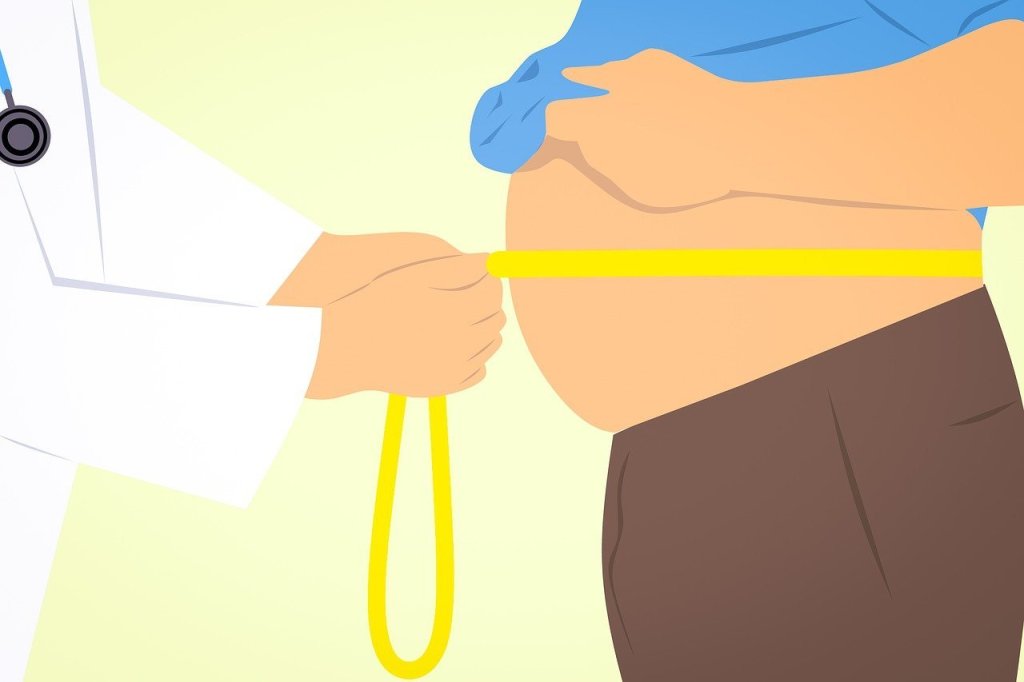
In order to get the bigger picture, to really get the full benefit we need to understand a few mechanisms around belly fat.
Like where does it actually come from?
What’s the mechanism to actually get rid of it?
So along the way we’re going to talk about a few mechanisms, we’re going to dispel a few myths and if you hang in to the end then you’re gonna have a totally different picture on this than you ever thought.
Cause & Effect
The first thing we need to clear up is the issue of cause and effect because belly fat is an effect and we need to understand the cause if we’re ever gonna hope to get rid of it for good. The problem is that we all focus on the fat on the belly but the fat is not the problem and when people talk about how belly fat is dangerous, what they’re talking about is an association.
It is very true that it is unhealthy to have a lot of belly fat; but it doesn’t mean that it’s the belly fat that is unhealthy, the belly fat is a reflection of something unhealthy.
It’s the result of something unhealthy and we need to ask how the fat gets there because the thing that got the fat there is the dangerous thing not the fat itself. The fat is just fat, it’s just sitting there.
How does it get there?
There is a disease called Cushing’s and in Cushing’s we have an extremely high level of cortisol, cortisol triggers; blood sugar and blood sugar triggers insulin. Insulin creates insulin resistance and insulin is a fat storing hormone; insulin helps promote the conversion of other fuels into fat and the combination of cortisol and insulin stores it around the midsection, so the mechanism of storing belly fat is through the hormones;
Cortisol
Insulin
So now we need to understand a lot of different things about fat and which ones are safe and which ones are dangerous because our world is riddled with myth and fat phobia.
So the next thing that we need to talk about is just that, fat phobia. We live in a world that for 50 years we’ve been told that fat is the root of all evil. Fat has too many calories, you eat fat, you get fat, we grew up with that mindset and I bought into it. I ate low fat and I was miserable because I didn’t understand these things back then.
Preferred Fuel for the body
So we’re going to talk about today. Fat is not only okay but it is our preferred fuel and it is a good food source. The reason fat got such a bad reputation was that they observed a bunch of people with heart disease, then they watched how much fat these people ate and they said,
“Oh fat is bad,”
They didn’t reflect over the fact that these people also ate a bunch of sugar that triggered insulin and that most of the fat that they ate back between the 1950s to the 1980s was margarine which is the worst kind of fat. Older margarines had high levels of trans fats that packed a double whammy for heart disease by raising levels of LDL (bad cholesterol) and lowering levels of HDL (good cholesterol). It is a pure toxin and if you eat a lot of margarine you will get sick so these people got sick and they blamed it all on fat and especially saturated fat.
But they’ve done lots of studies since that have shown that saturated fat is not a problem and I’m gonna point out some things that will help you understand that picture much much better. Fatphobia is based mostly on misconceptions that we observe fat on the body and then we think that eating fat makes you fat, we’ve all heard,
“You are what you eat,” so we think that’s how it works with fat also. But we have to understand and we’ll talk about this a lot that it’s not what you eat that ends up on the body it is what you eat that results in certain hormones and after certain digestive processes and metabolic reactions end up on the body and that is completely different.
What we have done is we observe fat and we see fat and we think fat is the bad guy, we observe cholesterol in fatty plaques and we think that cholesterol is the bad guy. That’s not a causative relationship, it’s an association.
Right how did the cholesterol get there? The damage was there first, even though it’s getting better, we still have an extreme fat phobia and I cringe everytime I go through a grocery store or supermarket and I see all these labels with low fat, heart-healthy, low fat sausage, low fat yogurt, low-fat this or that. It means that we’re still sold on that idea that people still buy into that mentality that low fat is better and of course it’s in every dietary guideline out there from the USDA to the World Health Organization. They tell you to eat less than 30% fat overall and less than 10% of total fat from saturated fat; but it’s outdated.
Why does the body store fat?
So next to understand where fat comes from and why it ends up on the body. We need to understand energy metabolism.
Why does the body store fat there?
Well here’s the reason that your body has a continuous need for energy, the need for energy is very stable, you can’t just shut down, you can’t, you’re not like a machine or a computer where you can just turn it off. You need a stable supply of energy, but the supply of energy, the intake of food is not so stable and today of course there is more food available on the planet for most people so we don’t have that urgent problem; but our bodies are built during circumstances where we could go a day or two or three without food so we had a stable need for energy but we didn’t have a steady supply.
Does that mean that the body shuts down?
That you get hungry and you say oh I guess I’m out of fuel I’ll just lay down and die?
No, your body creates more energy so that you can go out and have the resources to have the focus and the energy to find more food. That’s where fat comes in, so during a famine you burn the fat so that you can have energy and go find food. During the feast you take the excess and you store it right? That it, so basic and it sounds so simple, but it’s so profound that we have a stable need, but we have an unstable supply that’s why the body has to store fat and it can store a tiny little bit of energy as carbohydrate as glycogen and it can store an almost infinite amount of fat if it could onlyvstore carbohydrate then it would be true that when you ran out of fuel you would just lay down and die the species would be gone long, long ago, because you have about one day’s worth of glycogen but everyone has weeks and months worth of fat so that’s just how it works.
Palmitic & Stearic Acid (belly fat)
Next we need to understand what type of fat the body stores and it stores primarily saturated fat so it stores a little bit of everything you’re gonna find a mix of just about every fat but the vast majority the greatest percentage of fat that is stored in the body is going to be two fatty acids.
One is a saturated chain of 16 carbons called palmitic acid.
The other is a chain of 18 carbons called stearic acid.
So when we’re talking about belly fat we’re talking about those two fatty acids primarily, we’re talking about palmitic and stearic acid. They are the majority of the fat that is stored on your midsection that you’re trying to lose.
So now we come back to,
“You are what you eat,” and people think that oh I have stearic I have saturated fat on my belly that must mean saturated fat is bad. No it’s an efficient storage form, it’s a great form for the body to store energy, so think about this for just a moment.
A cow eats grass and then we eat the cow. The cow is full of saturated fat.
Where did that come from?
Grass doesn’t have saturated fat, grass has virtually no fat at all. But the grass has carbohydrates. It doesn’t have carbohydrates that we can break down, but the cow can break them down then it takes those glucose molecules from the carbohydrate, turns them into fat and it turns them primarily into the same fats that we do palmitic acid and stearic acid.
If you think about it somewhat further, then that steak also has cholesterol but grass doesn’t have cholesterol; So the cow makes it okay, so the food and what it turns into are two completely different things. You can have a vegan who eats plants and their belly fat is also going to be palmitic acid and stearic acid and a vegan can have high cholesterol without ever eating any cholesterol. So it’s not about what we eat it’s the type of hormones that the food triggers that results in the different types of fat and cholesterol that are being manufactured. So the key to understand, is that it doesn’t matter if you eat an excess of starch or you eat an excess of protein or you eat an excess of fat, it will all get stored as these two fatty acids stearic acid and palmitic acid because it’s a convenient storage form.
What does matter is that carbs and protein and fat trigger different insulin responses and the more insulin the more probable that you’re going to store that extra energy as fat.
If you eat carbs then you’re going to have a high tendency to store.
If you eat fat then there’s a greater tendency that it’s just gonna float around and you’ll burn it rather than that you’re gonna store it but yes excesses will get stored.
So next we need to dispel a huge myth and this is about what fuel does the body actually burn?
Because with a lot of popularity from the keto and the low-carb movement where people are burning fat, losing weight, there’s been this notion established, this idea presented, that fat is the preferred fuel and then everyone who’s opposed to keto or carnivore or any low carb they say,
“That oh no, no that’s not true, that fat is bad saturated fat that your body burns primarily carbohydrates,”
All right and we’re gonna dispel this myth once and for all. I’m gonna give you the numbers straight out so some people say well what about low fat that there were some followers that have been doing low fat forever in the less than 10% fat say that this is the way to go and they eat 70% carbohydrate. It doesn’t matter if you eat mostly carbs or protein or fat the body will still burn mostly fat and here are the numbers.
Basal Metabolic Rate BMR
Basal Metabolic Rate BMR, that is how much energy your body burns at rest so if you were going to base this on 2,000 calories just to have some numbers to work with and for the average person their Basal Metabolic Rate is about 70% their movement is about 20% of total calories and then there’s something called thermogenesis there are various processes in the body that generate heat that accounts for about 10% so basal metabolic rate is about 1,400 calories.
Movement is about 400 calories and thermogenesis the generation of heat is about 200 calories per day, for the average person and this does not include exercise so if your basal metabolic rate is 1,400 calories on average you’re using 2,000 calories and then if you exercise another 500 calories then that 500 is on top of the BMR of 1,400 calories, we’ll include that 500 toward the end now what are the organs where are most of these calories spent well.
THE LIVER
The biggest spender in the body is the liver, your liver is a little three-pound blob of tissue that is your metabolic factory it converts chemicals into other chemicals and nutrients, it uses 27% more than a quarter of all the energy is used by that little blob called your liver that’s 378 calories.
THE BRAIN
Your brain uses about 19% often we hear the number 20% but I saw 19% in this particular example so we’ll go with that for now that’s 266 calories.
THE MUSCLES
Muscles use 18% or 252 calories and this is muscles at rest, this is before muscles do anything that is just muscles sitting around existing their basic circulation their their basic muscle tone is 252 calories.
THE KIDNEYS
Your kidneys use 10% of your energy that is the most metabolically active organ in your body that’s the hardest working organ in your body. Your kidneys are just a few ounces worth of tissue and they use 10% of your calories, 140 calories.
THE HEART
Your heart is also a hard worker but not quite as hard as the kidneys uses 7% of your calories or 98 calories.
All the other tissues together use the other 19% or 266 calories so the interesting part here is that the liver uses 85% of its calories from fat, okay it prefers fat the brain uses anywhere from 0 to 75% so the brain is the only exception in this picture.
THE BRAIN
Because all the other organs, they run primarily on fat but the brain can’t use fat the brain can use two other fuels it can use glucose or ketones so if you’re in a fully fed carbohydrate state then glucose is high and the brain uses virtually a hundred percent glucose I’m sure there’s like a couple of percent ketones in there, but let’s say a hundred percent glucose.
However if you’re fasting if you’re in deep ketosis then the brain uses ketones primarily, it’s better and it’s a more stable fuel, the brain actually functions better with ketones and this could make sense if we think about the fact that hunters when they were without food for a day or two they were in ketosis l. But they still had to focus. They still had to function at their best to be able to find food, to be effective in the pursuit of the hunts, that they can survive.
Organs use up to 90% of their calories from fat
So the brain is the exception but all the other organs use 85 to 90 percent of their calories from fat.
So at rest 85 to 90 percent of the energy in the body comes from fat, so when we convert all of those into calories the heart by the way is the most fat hungry organ of all where they’re estimating 90% of the calories come from fat.
So when we convert the liver energy from fat it’s 85% that’s 321 calories.
The brain it’s zero to 200 calories depending on if we’re fully carb fed or if we are fasted.
Muscles use 214 calories
kidneys use 119 calories of fat
the heart uses 88 calories
and everything else uses 226 calories.
So then we need to add in the movement and again this is movement without exercise this is just the regular movement picking up things walking around doing your thing. It’s not going for a mild jog or a one hour walk or anything like that it’s just moving around where you are normally, that accounts for 20% of your calories so this is not part of the basal metabolic rate this is movement on top. So 20% of your calories are 400 calories and again 85% of movement comes from fat, the muscles prefer to burn fat at rest and they prefer to burn fat as high as they can for any level of exercise where they can keep up with oxygen they’re going to burn about 85% fat.
The only change is when you get into an aerobic when your heart rate gets over 120bpm, when you start huffing and puffing, now the glucose component increases. So around heart rate of 120bpm you’re at about 50/50 and then above that when you start huffing and puffing the glucose becomes dominant but anything below that like a leisurely walk or basic activity or even up to a medium walk you’re going to burn primarily fat so 85% that is 340 calories and then the thermogenesis that all the other organs, everything else the body does and I didn’t find a number on that but there’s no reason to believe that that would be different than the 85% so we’ll go with a 170 calories on that for right now. The reason I say that 85% is that, that’s just where most of the organs are functioning the best because when the body uses fat when the body converts fat into energy it happens in the mitochondria with something called oxidative phosphorylation and everything seems to sort of balance out around that 85% mark and the only exception is when we’re in a fight or flight response and there’s a crisis or something called, exercise where we raise the heart rate and we depend more on glucose during that time that we’re in that high state of exercise.
So let’s add up all those numbers and if we go with a conservative and we assume that we’re in a feasted carbohydrate state then this would be zero and we end up with 1470 calories which accounts for 74% so about three-quarters of your energy, of all of your energy before exercise comes from fat. If we are in ketosis, if we’re fasting or doing keto then we could have as much as 200 calories from fat for the brain and that would put us at 84% so very very close to the 85%. That fat burning that organs used for fat burning so what that means of course then if 74% comes from fat then the rest primarily comes from carbohydrate. Now there’s a few percent of protein in there depending on how much you eat but for the purposes of this illustration we’re just going to exclude protein but that would throw the numbers by a few percent so the number of carbs that you use would be 26% plus.
Whatever amount of exercise that you do above the aerobic threshold but let’s say that you’re exercising up to the aerobic threshold then it doesn’t mean that anything above that is all of glucose you’re still using as much fat as you can keep up with. So all of the aerobic capacity is still there as the foundation and then the anaerobic is on top of that so I don’t have an exact number but I think you would have to exercise quite a bit to take that 26% up to 30% and I think that you would pretty much have to be a world-class athlete to do extreme and aerobic workouts to get it up to 40%.
So what this shows us is that fat is the preferred fuel, so then you’re saying well what about the people who eat low fat how can they burn 75% fat if they only eat 10% well this brings it back to everything that we talked about here that it doesn’t matter if you eat all carbs because your body can’t store carbs your organs prefer fat, so even if you’re not going to store the energy your body still converts it from carbohydrate to fat before you use it.
So you might as well eat the fat and save the body the trouble of converting it. Then you’re saying oh but fat is bad it’s like I heard I hear what you’re saying and I believe it and it works and I eat low carb but I just can’t make myself eat fat and here we’re back to the fat phobia we’ve heard it so many times that fat is bad. Fat is bad, saturated fat is bad it causes this and that and it’s just not true most of the studies like I said they’re based on margarine and they’re based on grain fed
meat. These studies are not based on people who eat high quality meat who eat high quality vegetables who eat nuts and seeds and whole food and who cook from scratch it’s based on processed foods and chemicals and fake food the vast majority of cells in your body prefer fat. They burn about 85% fat even though they can burn both protein and glucose and fat the brain is an exception it doesn’t use protein it doesn’t use fat it uses glucose and ketones
The only other exceptions the major exceptions are red blood cells because they have no mitochondria they have no nucleus it’s a different type of cell but the total mass of red blood cells is very small and the metabolic activity of a red blood cell is very low because it doesn’t do anything except sort of float around and carry oxygen so the red blood cells the lens and the retina in your eye they have no mitochondria they cannot use fat they use glucose only but the total energy consumption of these tissues is probably less than 1%.
okay it’s not going to change these numbers significantly at all so I wanted to share a little study that I found to illustrate and sort of reinforce some of these points and we don’t want to base all of our opinions on one study but they can still kind of help point us in the direction especially when the results are incredibly clear.
They had known that stearic acid, the saturated long-chain fatty acid that we talked about the 18 carbon they had found, could reduce the spread of metastatic tumors. They also knew that visceral belly fat could increase and promote the spread of metastatic tumors. So then they figured if we can find a way to reduce the visceral fat then maybe we’ll have a tool to reduce metastatic tumor spread. So the cancer part is just sort of an aside note here, but it’s an interesting note.
Types of fat experiment
We’re going to focus on the visceral fat, the belly fat that we’re talking about so they fed four groups of mice. They fed them either stearic acid the saturated fat they fed them linoleic acid from safflower oil or oleic acid from corn oil and one group was fed a low fat diet.
What happened?
Total body fat didn’t change a whole lot even though the visceral fat went down by 70 percent however the lean body mass increased in the mice fed saturated fat and the final thing they found was that the blood sugar was dramatically lower in the mice fed saturated fat.
It’s about insulin
So all of the things that were looking for in diabetes and metabolic syndrome, all the things associated to belly fat to visceral fat to the so-called dangerous fat it is all about insulin, it’s about the hormones that create the storage and when you feed the body a good stable solid food, a stable fuel source. Then we reduce the insulin and improve all these markers so the number one absolute best way and the only way to lose belly fat forever is to do it by reducing insulin resistance because insulin is the hormone that puts the fat there and you do this by reducing the sugar, by reducing the carbs and by increasing the fat; but not the plant
fats not the safflower oil, corn oil and the soybean oil, you do it by increasing the saturated fat which is a stable neutral good fat, it doesn’t get oxidized it is inflammation neutral whereas all the plant oils are high in omega sixes which means that they promote inflammation through an inflammatory pathway. You reduce the carbs you reduce the frequency of meals because everytime you eat anything you stimulate a little bit of insulin.
The longer you go without food the lower the insulin is allowed to drop, don’t be afraid of saturated fats eat a good amount of saturated fats and monounsaturated fats from a good source like extra-virgin olive oil. The only word of caution is that when you hear that something is described as good don’t think of it as a superfood don’t think that the more you eat of it the better everything is going to be and it doesn’t matter if it’s saturated fat or blueberries or chocolate or turmeric or garlic.
Eat a moderate amount, eat what fits into your diet, eat until you get full. Practice intermittent fasting. Cut your carbs. Fill up with fat until you’re full but don’t think that when you’re full it’s gonna get better, if you eat a little bit more okay we’re not talking about that get that idea of super food out of your head it’s just fuel, it’s good fuel if it’s natural it’s bad fuel if we messed with it, if we destroyed it, or altered it,or pulverized it, in other words processed foods; then it’s not good anymore but if it is resembling the way we got it out of the ground or off the tree or we hunted it down then it is a good food.
Reducing insulin resistance
If you’re going to lose belly fat for good it’s not about the number of belly crunches, it’s not about the number of calories it’s about reducing insulin resistance.
reducing insulin resistance
Low-carb diets have been shown to increase insulin sensitivity and reduce insulin levels in people with obesity, diabetes, metabolic syndrome and PCOS
Apple Cider Vinegar may help prevent high insulin levels after you consume meals or foods high in carbs.
Reducing calorie intake by portion control or counting calories can lead to lower insulin levels in overweight and obese people with type 2 diabetes or metabolic syndrome.
A high intake of sugar in any form has been shown to increase insulin levels and promote insulin resistance therefore reduce sugar intake.
Aerobic exercise, strength training or a combination of both may help increase insulin sensitivity and lower your levels.
Some studies have found that adding cinnamon to foods or beverages lowers insulin levels and increases insulin sensitivity.
Replacing refined carbs, which are digested and absorbed quickly, with slower-digesting whole foods may help lower insulin levels.
Avoiding prolonged sitting and increasing the amount of time you spend walking or doing other moderate activities can reduce insulin levels.
Intermittent fasting may help reduce insulin levels. However, study results are mixed, and this way of eating may not suit everyone.
Soluble fiber, especially from whole foods, has been shown to increase insulin sensitivity and lower insulin levels, particularly in people with obesity or type 2 diabetes.
Lose Belly fat, also known as visceral mentioned earlier or abdominal fat, is linked to many health problems.Losing belly fat can increase insulin sensitivity and help reduce your insulin levels.
Several studies have found that green tea may increase insulin sensitivity and decrease insulin levels.
The long-chain omega-3 fatty acids found in fatty fish may help reduce insulin resistance and insulin levels.
Avoiding excessive amounts of protein, especially dairy protein, can help prevent insulin levels from rising too high after meals.
 A better way