

Is it possible to lose more weight and burn more fat while you’re sleeping?
So a lot of times people think that just because something works it’s a good idea, or if it seems to work short term. But we’re going to talk about it from a more holistic perspective.
How is it actually good for you?
Which ones are going to help you?
Which ones are going to hurt you?
Metabolism
The way to burn more fat, to lose weight while you’re sleeping is to have a healthy metabolism, this is something that all the top twenty YouTube videos agree on.
Here are 13 different claims that allegedly increase your metabolism.
Keep in mind that these are the claims we’re going to talk about but this is not the final list; So don’t just stop here and go with this. We are going to talk about which one’s are fact and which ones are fiction.
So what is metabolism all about?
Metabolism is converting food into energy. Metabolism is the process by which your body converts what you eat and drink into energy. During this complex process, calories in food and beverages are combined with oxygen to release the energy your body needs to function.
Something we want to ask is this;
Is it something that the body usually needs?
Is this a natural part of human lifestyle?
Is it what we call a genuine replacement part?
Something that the body can use to
build stuff or it’s a natural component of metabolism, so hopefully you’re interested not just in results but the long-term health, that is the goal to being happy, strong and healthy.
Here’s what we want we want to ask?
How does it actually work?
How does it influence long term homeostasis or balance?
How does it affect the body’s, “willingness to spend,” because that’s what metabolism is; in the long run how much is the body willing to spend.
- The mechanisms in question are;
- Insulin sensitivity (good).
- Insulin resistance (bad).
- It is human growth hormone HGH.
- Stress hormones;
- Adrenaline
- Cortisol
We want to look at how does this work long-term versus short-term.
Optimize Thyroid Gland
First thing is to optimize thyroid function and that is fantastic advice because the thyroid is your metabolic regulator.
But what does it mean to fix it? Always seek medical professional help with thyroid issues.
Typically a few different minerals, zinc and selenium are things that a lot of people are deficient in but the third mineral that they suggest is iodine and that is kind of a two-edged sword it can help some people it can hurt other people. 35% of the world’s population live in areas where there is little iodine in the soil so for those people if they’re truly deficient and that’s their only problem then taking iodine is going to help their thyroid.
If you don’t live where the soil is poor in iodine then chances are really, really high like 90% that you’re underperforming thyroid is because of something called Hashimoto’s disease and that is an autoimmune disease. The problem with that is if you have an autoimmune thyroid and you take iodine then you’re giving the thyroid something that will make it work more, then you’re going to up regulate
the autoimmune attack, you’re going to make the autoimmune worse and you’re going to increase the attack on the thyroid.
So absolutely we want to optimize thyroid function but it’s not as simple as taking this stuff just keep that in mind.
Good Sleeping Pattern
Suggestion number two is to get enough good sleep and that is good advice because they found in people who sleep five hours rather than the average normal eight hours it increases stress on the body.
It dramatically increases the amount of cortisol produced and with doing that it’s going to increase cravings.
It will increase muscle loss and it will decrease human growth hormone HGH because when your body’s in a state of stress it wants emergency fuel it wants glucose because that’s the fastest fuel and that’s why it produces cortisol to raise glucose. But it also increases cravings so you can get even more glucose and then it burns off muscle because that’s a third way to make glucose out of muscle.
So stress is one of the most devastating things that you can have on the body and sleeping more is a great way to improve the balance and reduce the stress.
Sleeping helps because it’s not just about the number of hours, it is about the regularity. When you sleep the quality of sleep is important so try to sleep while it’s dark and try to get into a rhythm in a circadian rhythm that has some regularity. Because your body produces growth hormone in bursts and some of that is while you’re sleeping. If you have a good quality and regular sleep your body’s going to release more growth hormone which will improve your metabolism.
High-Intensity Interval Training HIIT
The third way is to do HIIT, high-intensity interval training and what that does it can dramatically increase your human growth hormone without costing you a whole lot of cortisol. HGH human growth hormone builds muscle and it can provide better sleep in the sense that if you play hard then you’re also going to sleep better.
Weight Lifting
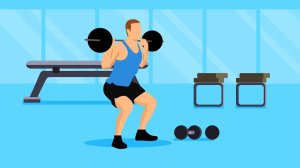
The fourth suggestion is to lift weights and when you lift weights you can build muscle, muscle is more metabolically active you’re going to use more energy, have more blood circulation for every pound of muscle you have rather than every pound of fat. If you lift weights; heavy, meaningful,heavy weights, few repetitions then you’re kind of mimicking the high-intensity interval training HIIT. You’re also making more human growth hormone because you’re challenging, you’re pushing, your body just like you do with a HIIT. All of that put together is going to help you build more muscle and more growth hormone which is fat burning.
Cold Showers – cold water therapy
Suggestion number five is cold showers. One of my favourites along with dipping in the cold sea.
What does that do?

It kind of shocks you, that’s a beneficial stress as long as it’s short-term that’s the key.
To understand that stress can be beneficial which is called U stress or it can be destructive which is called distress. The human body is made for short-term high intensity stress, things like high intensity interval training, weight lifting, cold showers and ice baths that is good.
Because it shocks the body and then hopefully we get enough time to recover and recuperate.
The bad stress is chronic a little bit of stress all the time it breaks the body down and doesn’t give the body time, opportunity to recover and rebuild.
So the short term produces an extreme sympathetic stress and the sympathetic nervous system SNS is the portion of your nervous system that responds to stress and creates a stress response with high blood pressure, high heart rate, etc, getting you ready for, “fight or flight,” and it also creates more adrenaline, more cortisol, more growth hormone. These are stress hormones that are good in the short term and bad in the long term.
The other thing that happens though is when you have a lot of something, when you have an extreme stress response it makes it easier for the body to create a rebound, parasympathetic PSNS, meaning when you kind of pull and stretch something in one way it’s going to go more the other way, when you let go so this creates a more profound relaxation effect. That’s why people say after a cold shower they feel amazingly relaxed. What happens now is you get a decrease in cortisol and a decrease in adrenaline in the long run so you have a short-term increase but you more than make up for it with a decrease in the long run.
Take MCT Oil Medium-Chain Triglycerides
Suggestion number six is to take MCT oil. MCT molecules are smaller than those in most of the fats you eat (long-chain triglycerides [LCT]). This makes them easier to digest. You can absorb MCT in your bloodstream quickly. This turns it into energy you can use. Why? Because it can help people get a 5% higher metabolism so how do we want to think about this? Well it’s the quick fuel source that’s why it works if you are primarily dependent on carbohydrates, if you have trained your body to a carbohydrate metabolism and you’re trying to switch over to a fat-burning metabolism. Your body resists a little bit so if you give it a quick fuel source then it senses that there’s a perception of fuel, but it gets that without insulin.
Ok the other fast fuel is glucose, carbohydrate, but it comes at a price of higher insulin which creates problems in the long run. So here’s like the perfect middle road you get something that doesn’t stimulate insulin but it’s still quick.
Eat More Proteins
Suggestion number 7 is to eat more protein, proteins are not a bad thing but the reason they’re saying to do that is because protein is expensive to digest as opposed to carbohydrate and fat which get into the system very easily.
Alright we should eat protein because we need protein, we need building blocks, not to try to push metabolism in a certain way because this is one of those things where if you make the body do more in one way it’s just going to compensate something else. There is no positive net effect of this the other argument for eating more protein is that if you eat it before you go to bed then at night you’ll have stable blood sugar and that’s not a terrible idea. But it doesn’t have to be protein it could be also fat anything that is satiating, that gives you a sense of fullness without affecting insulin.
Drink Ice Cold Water
suggestion number 8 is to drink a lot of water and it’s not about hydration it’s about the coldness of the water. It’s about something called a thermogenic effect, so
what happens is your body has a certain body temperature, a certain mass, then you put in another smaller mass. That is cold or ice cold, now you just lower the body’s average temperature, you have a heat deficit, your body is going to crank up the furnace to make up the difference so this is a short-term stress and this is where we get into trouble. So often with getting a short-term benefit seeming benefit but in the long run there is no way that the body is going to benefit from this because it’s just going to compensate. You didn’t add anything useful to the body, you didn’t change hormones or behavior so it’s just going to compensate someplace else.
What we would want to ask though is;
What happens to your digestion?
What happens to the health of your digestive tract if you drink large amounts of cold or ice cold water.
Eat Spicy Peppers
The ninth suggestion is to eat spicy peppers. Because peppers contain something called capsaicin. That’s a chemical that has a thermogenic effect and this will create a short-term chemical stress. Is that a good thing? may seem like a benefit but your body is going to compensate and adapt and make up for it. So there’s no net gain again.
We want to ask rather what could happen to our digestive tract our digestive health if we do this on a regular basis?
Sleep in a Cool Environment
The 10th suggestion is to sleep in a colder environment and what happens then is your body has to produce more heat, it up regulates, it makes more of something called, “brown fat,” this is not like your average fat on the body, this is a kind of fat that has a thermogenic, it’s the heat producing fat which is a good thing. So by, up regulating your brown fat you could actually improve your metabolism.
The other reason to turn the temperature down a little bit is that people generally sleep better in a cooler environment, they get a deeper, more peaceful, better quality sleep and if you want to give this a try then do it gradually because you have to give your body sometime to adapt and upregulate, because otherwise you’re going to be miserable. Also think about not overcompensate, don’t put on a lot of more clothing or put more blankets on because that’s going to defeat the purpose, the whole point is to teach your body to produce more heat so do it a little bit at a time maybe one degree per night or one degree for every few nights, as Wim Hof says, “listen to your body.” That statement is so important.
Drink Caffeine
Suggestion eleven is caffeine.
What does it do?
It is a short-term chemical stress, it increases adrenaline, it’s a stimulant and if you do it on a regular basis like you have many, many cups of coffee every day you’re affecting plasticity, now you’re creating a habit, a demand that’s going to increase cortisol. It’s going to increase insulin resistance and it can contribute to adrenal fatigue and while there are some seemingly beneficial effects of coffee they’re all short-term.
So don’t think of it as a good thing, it’s something that the body can tolerate in moderation, but it cannot promote homeostasis (balance) long term.
Apple Cider Vinegar
Suggestion 12 is apple cider vinegar and it can improve insulin sensitivity, in doing that it can improve the fat burning potential. When insulin goes down then we free up the fat stores the body can use the fat store, so the potential for fat burning goes up significantly. There’s some other evidence that suggests apple cider vinegar can help your satiety, help you control your appetite so it’s a good idea to give it a try and take maybe two tablespoons a day.
If you want some of these benefits for insulin sensitivity during the night to stabilize blood sugar then taking maybe a tablespoon before bed would be a good idea.
Adopt a Low Carbahydrate Lifestyle
Suggestion 13 is to improve fat burning and weight loss during sleep is to adopt a low carb lifestyle. Because carbs are burned first, so if you always eat a bunch of carbs and you keep refilling, topping up with carbs then your body never really gets to any significant fat burning; therefore the less carbs you eat the closer you are to the fat-burning zone.
You might get there in 3 to 4 hours instead of 12 to 14 to 16 hours after a meal. A low carb lifestyle also helps you reduce insulin overtime which like we said make the fat stores on the body more available and this is going to help you greatly in your overall fat adaptation.
To Summarise
- So yes fix the thyroid absolutely but it’s not just about taking iodine if you think you have a thyroid issue go get some help from someone who’s qualified in helping you with subtle issues and autoimmunity. Then there are some things that you can still do and take, but do them for the right reasons don’t think of them as a way to improve fat burning.
- One is MCT oil. It can be a great thing in a transition phase, use it once in a while on an ongoing basis but think of it as a highly refined food. It doesn’t have a whole lot of nutrients if you want to use a tablespoon in a drink now and then that’s fine. But again don’t think using more it’s this magical tool.
- Hot peppers eat some spicy food if you like it but don’t think of it as a magic pill.
- Caffeine same thing, have a cup of coffee or two but don’t drink it because you think it’s going to do something great for you.
- Should you ever drink cold water, have a cold drink if it’s really hot outside and sip it so you can enjoy it. don’t do it to try to create some thermogenic effect.
- Eat protein because protein provides building blocks, don’t eat extra protein to try to make it difficult for your body to digest food thereby burning more energy it’s going to backfire.
Best Ways to Improve Metabolism
Here then are the best ways the things that you want to pursue in order to improve your metabolism.
- Number one is to lift weights, especially if you do high-intensity and short duration and reps.
- Number two cold showers keeping in mind that longer and more isn’t necessarily better because high stress can just break the body down.
- Number three look for a lower temperature at night because you can up regulate your Brown fat but do it gradually so that your body has time to adapt and actually create that change over time.
- Number four get enough sleep. Good quality sleep and sleep during the dark hours of the day so that you optimize your circadian clock.
- Number five do some high-intensity interval training HIIT and just like all of these other things don’t think that more is better.
Why do these items remain on this short list?
Because they are things that are good in the long term, they are things that allow your body to return to homeostasis, (balance), that you can promote homeostasis in the long run as opposed to just stressing the body for a short-term effect.
 A better way